Landscaping · Guide
Best Plants and Trees for Lahore's Climate: Heat, Smog and Monsoon Proof Choices
By M.H Developers Team · Updated · 7 min read
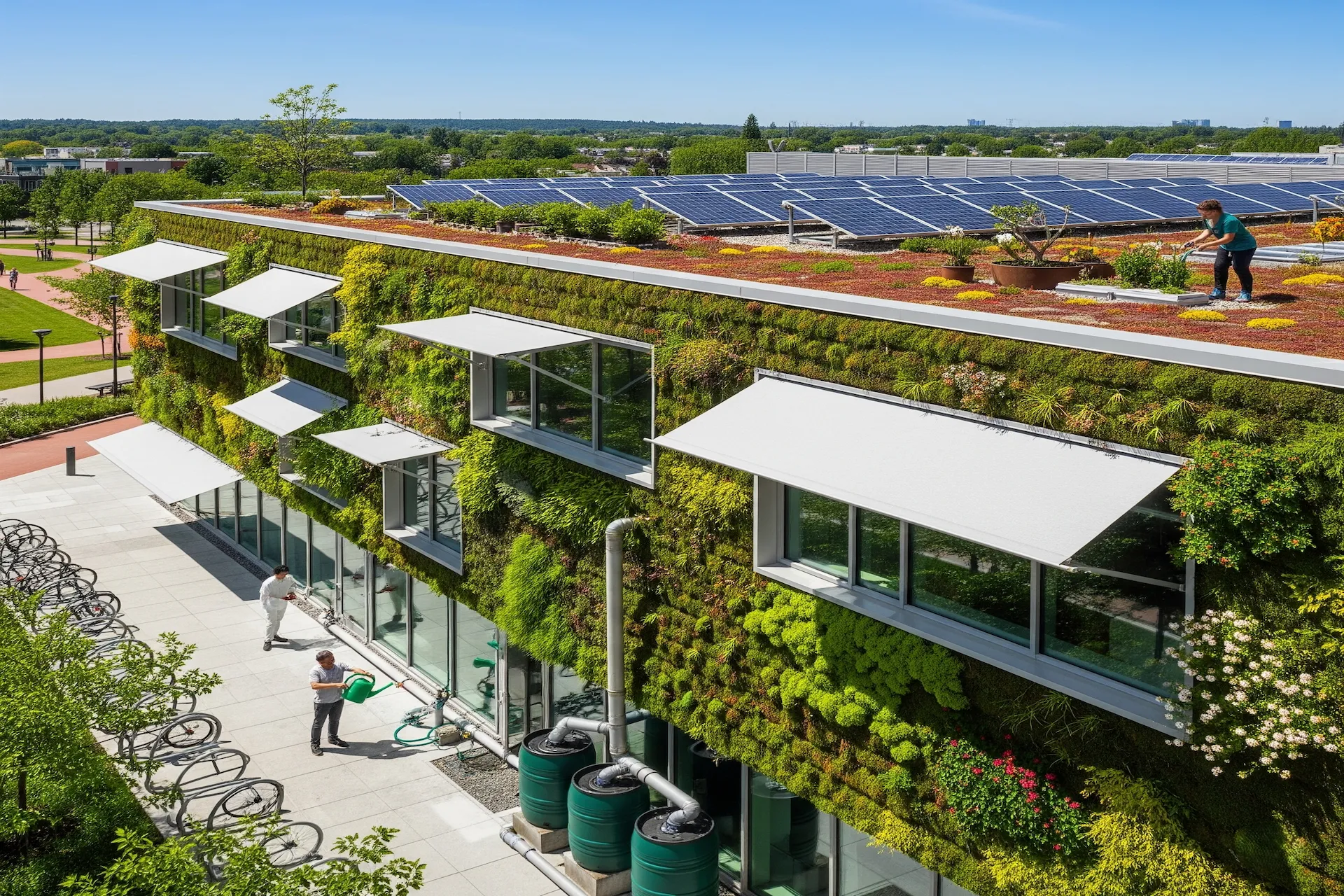
Lahore's climate is hard on plants. Summers regularly cross 45°C, the monsoon brings sudden heavy rain and waterlogging, and winter brings fog and some of the worst smog in the region. Plants that are chosen only for how they look in the nursery often struggle, while the right species can grow with very little care and actually improve the air and temperature around your home.
This guide lists trees, shrubs, hedges and flowering plants that are easy to find in Lahore's nurseries and are proven to cope with local conditions. It also explains why native species are usually the better long-term choice.
Why native plants perform better, including against smog and heat
Native and long-naturalised species such as Neem, Sukh Chain, Amaltas and Jaman have adapted to Punjab's heat, soil and seasonal rainfall over centuries. They need less water once established, resist local pests, and support birds, bees and butterflies. Many also have deep roots that stay out of foundations and drains when planted at a sensible distance.
Exotic plants are not all bad, and several ornamentals below are excellent in Lahore gardens. The key is to use exotics for colour and structure while keeping native trees as the backbone of the landscape.
No plant can fix Lahore's smog on its own, but a well-planted property does help. Large-leaved, dense trees such as Neem, Pipal, Jaman and Sukh Chain trap dust particles on their leaves, and a green canopy can make the air around a house noticeably cooler in summer. Layering trees, shrubs and ground cover also reduces dust blowing in from roads.
Planting on the west and south sides of the house gives the strongest cooling effect by shading walls from afternoon sun. Hedges along the road side reduce dust and noise.
Shade trees for homes, streets and parks
- Neem (Azadirachta indica): very heat and drought tolerant, evergreen for most of the year, naturally pest-repellent and a strong air-cleaning tree. Plant it at least 15 to 20 feet from buildings.
- Sukh Chain (Pongamia pinnata): dense shade, glossy leaves and good tolerance of poor soil. A classic Lahore avenue tree.
- Amaltas (Cassia fistula): famous for its hanging yellow flowers in May and June, medium size, suitable for large lawns and roadsides.
- Kachnar (Bauhinia variegata): a smaller tree with orchid-like pink and white flowers in spring. Good for front lawns where space is limited.
- Jaman (Syzygium cumini): large, long-lived and fruit-bearing. Best for farmhouses, parks and big plots because fallen fruit stains paving.
- Pipal and Bargad (Ficus religiosa, Ficus benghalensis): excellent for parks and open spaces, but their roots and size make them unsuitable near houses, boundary walls or underground tanks.
Conocarpus became extremely common in Pakistani housing societies because it grows fast, stays green and is easy to shape. It has since become controversial. Its aggressive roots can damage sewer lines, pavements and foundations, it uses a lot of water, and its pollen has been linked by many residents and doctors to seasonal allergies. Several local authorities have discouraged or stopped new Conocarpus planting.
If you already have Conocarpus, keep it well pruned and away from pipes. For new planting, native options such as Neem, Sukh Chain or Kachnar give shade without the same problems.
Hedges and boundary plants
- Murraya (Murraya paniculata / Marwa): dense, fragrant white flowers and easy to trim into a formal hedge. One of the best all-round hedge plants for Lahore.
- Duranta: fast-growing, available in green and golden varieties, and responds well to clipping. Good for low borders.
- Ficus (Ficus benjamina and similar): popular for tall green screens, but roots are strong, so keep it away from drains and walls.
- Bougainvillea: thrives in heat and poor soil, gives vivid colour almost all year and works well on boundary walls, pergolas and gates. Needs full sun and very little water.
- Chandni (Tabernaemontana divaricata): white flowers, glossy leaves, tolerates partial shade and makes a neat informal hedge.
Flowering shrubs and ground covers
For year-round colour, combine hardy perennial shrubs with seasonal annuals. The perennials carry the garden through summer, while annuals add bursts of colour in winter and spring.
- Ixora: clusters of red, orange or pink flowers through the warm months. Prefers slightly acidic soil, so add compost and avoid very alkaline water where possible.
- Hibiscus (Gurhal): bright flowers, tolerant of heat, needs regular watering in summer.
- Lantana and Tecoma: tough, drought tolerant and attractive to butterflies.
- Rhoeo (Rhoe / Moses-in-the-cradle): purple and green ground cover that handles heat and partial shade, ideal for edging and under trees.
- Periwinkle (Sadabahar) and Portulaca: low-growing summer flowers that cope with full sun and dry spells.
- Winter annuals such as petunia, calendula, pansy, dianthus and marigold, planted from October to December for colour until March.
Palms and plants for shade and indoors
Palms such as Washingtonia, Date palm and Foxtail palm give a clean, modern look to driveways and entrances and handle Lahore's heat well once established. Areca and Chamaedorea palms are better suited to verandas and indoor spaces.
For shaded corners, porches and indoor areas, Money Plant (Pothos), Snake Plant (Sansevieria), ZZ plant, Peace Lily, Aglaonema and Philodendron are widely available in Lahore's nurseries and cope with low light and indoor dust.
Matching plants to your plot size
In a 5 marla or 10 marla house, space is the main constraint. Choose one small or medium tree such as Kachnar or a dwarf citrus for the front lawn, then rely on hedges, climbers and flowering shrubs for greenery. Avoid planting Pipal, Bargad, Jaman or tall Ficus in small plots, because they quickly outgrow the space and their roots can lift paving and crack boundary walls.
In 1 kanal and larger homes, farmhouses and society parks, there is room to plant proper shade trees along the boundary, with a layered planting of shrubs and ground cover beneath. Here a mix of native trees gives both shade and seasonal flowering: Amaltas in early summer, Kachnar in spring and Sukh Chain for year-round green.
For commercial buildings and offices, low-maintenance plants such as Duranta, Murraya, Rhoeo and palms keep entrances neat without daily attention.
Planting tips for Lahore gardens
- Plant trees and shrubs in February to March or during the monsoon from July to August, when rain helps establishment.
- Dig generous pits and backfill with a mix of garden soil, sweet sand and compost.
- Water deeply and less often to encourage deep roots, and mulch around the base in summer.
- Check mature size before planting and keep large trees well away from foundations, septic tanks and water lines.
- Group plants by water needs so irrigation zones can be set correctly.
Plan your planting with M.H Developers
M.H Developers prepares planting plans for homes, farmhouses, housing society parks and commercial sites in Lahore, choosing species for your exact sun, soil and maintenance budget. We also handle soil preparation, irrigation and follow-up care so new plants establish properly.
Call or WhatsApp +92 302 4279475 to arrange a site visit.
Frequently Asked Questions
Which tree is best to plant in Lahore?
Neem is one of the best all-round trees for Lahore because it tolerates heat and drought, gives good shade and helps clean the air. Sukh Chain, Amaltas, Kachnar and Jaman are also excellent choices depending on space.
Which plants reduce smog and air pollution?
Dense, large-leaved trees like Neem, Pipal, Jaman and Sukh Chain trap dust and particulate matter on their leaves. Indoors, Snake Plant, Money Plant and Peace Lily are popular, although indoor plants alone cannot replace air purification.
Why is Conocarpus discouraged in Pakistan?
Conocarpus has aggressive roots that can damage pipes and foundations, it consumes a lot of water, and many people associate its pollen with allergies. Native trees are generally recommended instead.
What is the best hedge plant for Lahore?
Murraya (Marwa) is one of the best hedge plants for Lahore because it is dense, fragrant and easy to trim. Duranta works well for low borders, and Bougainvillea is ideal for colourful boundary walls.
When is the best time to plant trees in Lahore?
February to March and the monsoon months of July and August are the best planting seasons, because moderate temperatures or natural rainfall help young trees establish.
Planning a project in Lahore?
M.H Developers offers a free site visit and an itemised quotation for landscaping and construction projects in Lahore and across Pakistan.